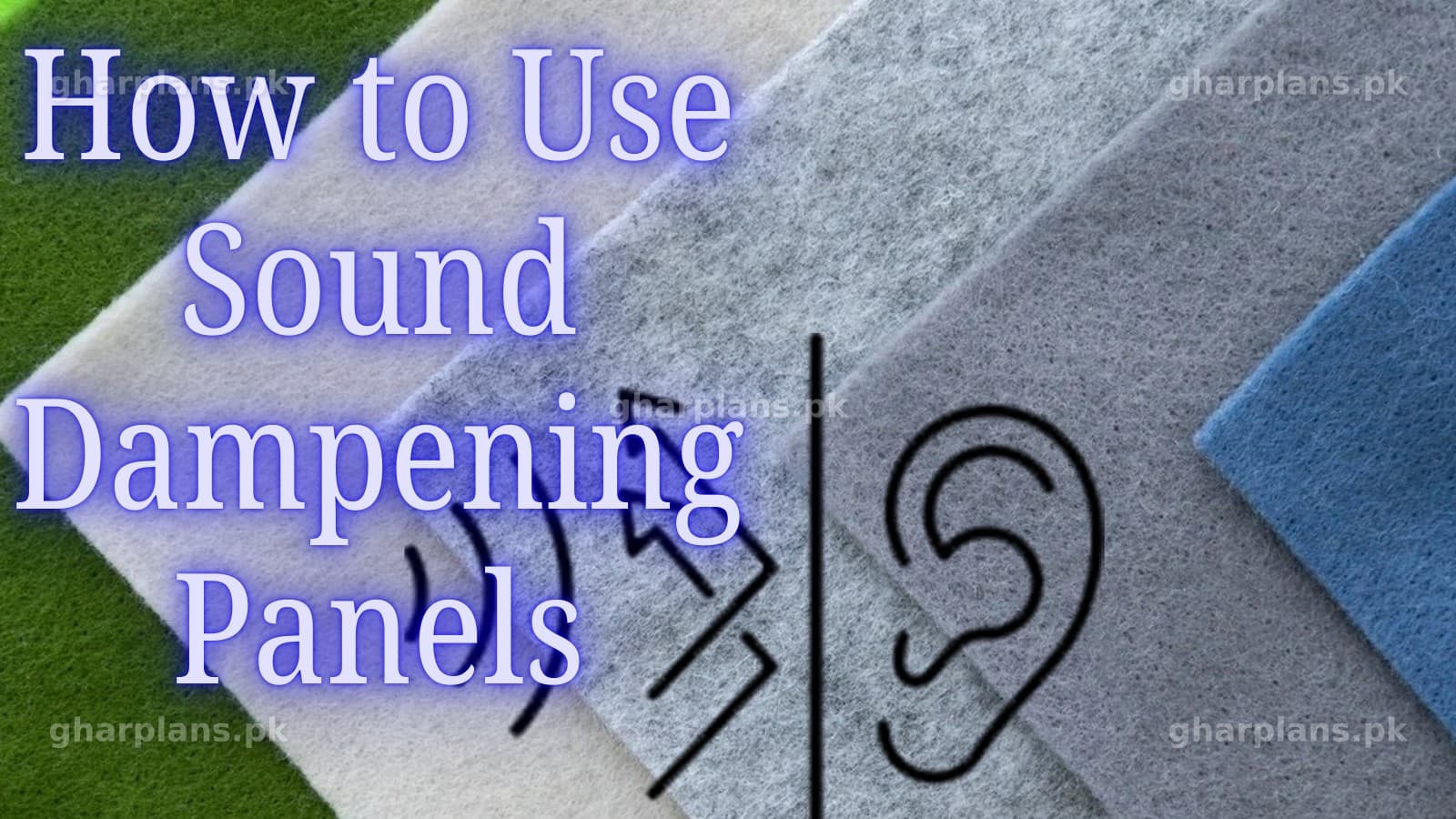
ساؤنڈ ڈیمپیننگ پینلز کیوں استعمال کریں؟
ساؤنڈ ڈیمپیننگ پینلز گونج اور ناپسندیدہ شور کو کم کر کے گھر کی آواز (اکوسٹکس) کو بہتر بناتے ہیں۔ ساؤنڈ پروفنگ کے برعکس، جو آواز کو مکمل طور پر روکتی ہے، یہ پینلز اس بات کو کنٹرول کرنے پر توجہ دیتے ہیں کہ کسی جگہ کے اندر آواز کیسے پھیلتی ہے۔ یہ خاص طور پر کھلے لے آؤٹ، اونچی چھتوں، یا ٹائل اور ہارڈ ووڈ فرش والے گھروں میں بہت مفید ہیں، جو شور کو بڑھاتے ہیں۔ پرائیویسی کو بہتر بنانے سے لے کر مخصوص کمروں میں آڈیو کے معیار کو بہتر بنانے تک، ساؤنڈ ڈیمپیننگ پینلز جدید طرز زندگی کے لیے کئی فوائد فراہم کرتے ہیں۔
گھر میں ساؤنڈ ڈیمپیننگ پینلز کا استعمال کہاں کریں؟
ہوم آفس
ہوم آفس کو پرسکون اور خلفشار سے پاک ماحول کی ضرورت ہوتی ہے۔ ساؤنڈ ڈیمپیننگ پینلز دوسرے کمروں کے شور، باہر کی خرابیوں، یا الیکٹرانک آلات کی گونج کو کم کر سکتے ہیں۔ شور والی جگہوں کے ساتھ والی دیواروں پر پینلز لگائیں یا اگر آپ کا آفس کسی لافٹ میں یا زیادہ آمد و رفت والے زون کے قریب ہے تو انہیں چھت پر لگانے پر غور کریں۔
لیونگ رومز
لیونگ رومز اکثر تفریح، بات چیت اور آرام کا مرکز ہوتے ہیں۔ تاہم، ٹی وی، اسپیکرز یا باتوں کی آوازیں گھر کے دوسرے حصوں تک آسانی سے پہنچ سکتی ہیں۔ دیوار پر لگے ساؤنڈ ڈیمپیننگ پینلز، خاص طور پر انٹرٹینمنٹ سسٹمز کے پیچھے، گونج کو کم کر سکتے ہیں اور آڈیو کی صفائی کو بہتر بنا سکتے ہیں، جس سے ایک متوازن صوتی تجربہ پیدا ہوتا ہے۔
بیڈروم
پرسکون نیند کو یقینی بنانے کے لیے، بیڈرومز ٹریفک کے شور، اونچی آواز والے پڑوسیوں، یا گھر کے دوسرے حصوں کی آوازوں کو روکنے کے لیے ساؤنڈ ڈیمپیننگ پینلز سے فائدہ اٹھا سکتے ہیں۔ ہیڈ بورڈ کے پیچھے اپہولسٹرڈ پینلز آواز جذب کرنے والے اور ایک آرائشی عنصر دونوں کے طور پر کام کر سکتے ہیں، جو کمرے کی خوبصورتی میں حصہ ڈالتے ہیں۔
کچن اور ڈائننگ ایریاز
کھلے کچن اور ڈائننگ ایریاز میں اکثر برتنوں کے کھڑکنے، کوکنگ کے آلات اور لائیو کھانوں سے بہت زیادہ شور پیدا ہوتا ہے۔ قریبی دیواروں یا چھتوں پر ساؤنڈ ڈیمپیننگ پینلز لگانے سے ان آوازوں کو قابو میں رکھنے میں مدد مل سکتی ہے اور انہیں ملحقہ جگہوں پر پھیلنے سے روکا جا سکتا ہے۔
ہوم تھیٹرز
ہوم تھیٹرز کے لیے، ایک عمیق تجربے کے لیے اکوسٹکس بہت اہم ہیں۔ دیواروں اور چھتوں پر رکھے گئے اکوسٹک پینلز گونج کو کم کر سکتے ہیں اور آواز کی صفائی کو بہتر بنا سکتے ہیں، اس بات کو یقینی بناتے ہوئے کہ مکالمے اور بیک گراؤنڈ اسکور واضح رہیں۔
بچوں کے پلے رومز
پلے رومز تیزی سے شور اور بے ترتیب جگہیں بن سکتے ہیں۔ ساؤنڈ ڈیمپیننگ پینلز لگانے سے شور کو قابو میں رکھنے میں مدد ملتی ہے، جو کہ باقی گھر والوں کے لیے کم خلل ڈالتا ہے جبکہ بچوں کو اب بھی لطف اندوز ہونے کی اجازت دیتا ہے۔
اپارٹمنٹس میں مشترکہ دیواریں
اگر آپ کسی اپارٹمنٹس یا مشترکہ دیواروں والے گھر میں رہتے ہیں، تو ساؤنڈ ڈیمپیننگ پینلز یونٹس کے درمیان شور کی منتقلی کو کم کرنے میں مدد کر سکتے ہیں۔ یہ پینلز ان دیواروں پر لگائے جا سکتے ہیں جو شور مچانے والے پڑوسیوں یا عام ہال ویز کے بالکل قریب ہوں۔
ساؤنڈ ڈیمپیننگ پینلز کا استعمال کیسے کریں؟
صحیح جگہ کا انتخاب کریں
ساؤنڈ ڈیمپیننگ پینلز کی جگہ کا انحصار شور کے بنیادی ذریعہ پر ہوتا ہے۔ مثال کے طور پر:
عام آواز کو جذب کرنے کے لیے کان کی سطح پر پینلز لگائیں۔
اونچی چھت والے کمروں میں، گونج کو دور کرنے کے لیے چھتوں پر پینلز لگائیں۔
ان دیواروں پر پینلز لگائیں جہاں آواز کے ٹکرانے کا زیادہ امکان ہو، جیسے شور مچانے والے آلات یا اسپیکرز کے بالکل مخالف۔
صحیح مٹیریل کا انتخاب کریں
ساؤنڈ ڈیمپیننگ پینلز مختلف مواد میں آتے ہیں، ہر ایک مختلف ضروریات کے مطابق ہے:
فوم پینلز: ہلکے اور سستے، ہوم آفس یا بچوں کے کمروں کے لیے بہترین۔
فیبرک ریپڈ پینلز: دیکھنے میں اچھے اور انتہائی موثر، لیونگ روم یا بیڈروم کے لیے موزوں۔
لکڑی کے اکوسٹک پینلز: اسٹائل اور فعالیت دونوں پیش کرتے ہیں، جدید یا انڈسٹریل اندرونی حصوں کے لیے بہترین۔
پرفوریٹڈ پینلز: آواز کو جذب کرنے کے ساتھ بصری کشش کو یکجا کرتے ہیں، اکثر ہوم تھیٹرز میں استعمال ہوتے ہیں۔
ڈیزائن کے ساتھ افادیت کو یکجا کریں
آج کے ساؤنڈ ڈیمپیننگ پینلز سجیلا ڈیزائن، رنگوں اور پیٹرن میں دستیاب ہیں۔ ایسے پینلز کا استعمال کریں جو آپ کے گھر کی سجاوٹ کے مطابق ہوں، جو کام کے ساتھ جمالیاتی لحاظ سے بھی جڑ جائیں۔ مثال کے طور پر، فیبرک پینلز وال آرٹ کے طور پر بھی کام کر سکتے ہیں، اور جومیٹرک پیٹرنز ایک جدید ٹچ شامل کر سکتے ہیں۔
فرش اور چھت کو نہ بھولیں
اگر شور عمودی طور پر سفر کرتا ہے، تو چھت پر لگنے والے پینلز لگانے یا ساؤنڈ ابزربنگ انڈرلے والے فرش بچھانے پر غور کریں۔ اس سے گھر کی ایک ہی سطح کے اندر شور کو محدود رکھنے میں مدد ملتی ہے۔
دوسرے ساؤنڈ سشنز کے ساتھ لیئر کریں
اگرچہ ساؤنڈ ڈیمپیننگ پینلز انتہائی موثر ہیں، لیکن انہیں دوسرے اکوسٹک سشنز کے ساتھ ملانا نتائج کو زیادہ سے زیادہ کر سکتا ہے۔ مثال کے طور پر، بھاری پردے، اپہولسٹرڈ فرنیچر، یا موٹے قالین پینلز کی تکمیل کر سکتے ہیں اور ایک پرسکون ماحول پیدا کر سکتے ہیں۔
مقامی مارکیٹ میں ساؤنڈ ڈیمپیننگ پینلز کا انتخاب کرتے وقت، افادیت، بجٹ اور ڈیزائن کی ترجیحات میں توازن رکھنا ضروری ہے۔ اپنی جگہ کی مخصوص ضروریات کی شناخت کرکے شروعات کریں — چاہے وہ کسی مصروف رہنے والے علاقے میں شور کو کم کرنا ہو یا ہوم تھیٹر میں اکوسٹکس کو بہتر بنانا ہو۔ فوم پینلز جیسے مواد سستے اور وسیع پیمانے پر دستیاب ہیں، جو ہوم آفس یا بچوں کے پلے رومز کے لیے ایک بہترین آپشن بناتے ہیں۔ فیبرک ریپڈ پینلز، اگرچہ تھوڑے زیادہ مہنگے ہیں، آواز کو بہتر طریقے سے جذب کرتے ہیں اور مختلف رنگوں اور پیٹرن میں آتے ہیں، جو بیڈروم یا لیونگ روم جیسے مقامات کے لیے مثالی ہیں جہاں جمالیات اہم ہیں۔ زیادہ پرتعیش یا جدید شکل کے لیے، لکڑی کے اکوسٹک پینلز یا پرفوریٹڈ ڈیزائن غور کے قابل ہو سکتے ہیں، خاص طور پر اوپن کنسیپٹ گھروں یا تفریحی مقامات کے لیے۔ اختیارات کو تلاش کرنے اور اخراجات کا موازنہ کرنے کے لیے مقامی سپلائرز کا دورہ کریں، اس بات کو یقینی بناتے ہوئے کہ مواد پائیدار اور آپ کے مخصوص ماحول کے لیے موزوں ہو۔ آخر میں، معیاری مصنوعات کو یقینی بنانے کے لیے مثبت جائزوں والے برانڈز یا سپلائرز کو ترجیح دیں۔
ساؤنڈ ڈیمپیننگ پینلز آپ کے گھر میں شور کو منظم کرنے اور اکوسٹکس کو بہتر بنانے کا ایک ورسٹائل اور موثر طریقہ ہیں۔ چاہے آپ ایک پرسکون ہوم آفس بنا رہے ہوں، تھیٹر روم میں آڈیو کے تجربے کو بہتر بنا رہے ہوں، یا آرام کے لیے صرف ایک پرسکون ماحول کو یقینی بنا رہے ہوں، ان پینلز کو آپ کی مخصوص ضروریات کو پورا کرنے کے لیے ڈھالا جا سکتا ہے۔ سوچ سمجھ کر رکھنے اور ڈیزائن کرنے کے ساتھ، ساؤنڈ ڈیمپیننگ پینلز نہ صرف آپ کی جگہ کی افادیت کو بلند کرتے ہیں بلکہ اس کی بصری کشش میں بھی اضافہ کرتے ہیں، جو آپ کے گھر کو راحت اور سکون کا گہوارہ بناتے ہیں۔
مزید ڈیزائن اپڈیٹس کے لیے ہمارے یوٹیوب چینل کا وزٹ کریں: