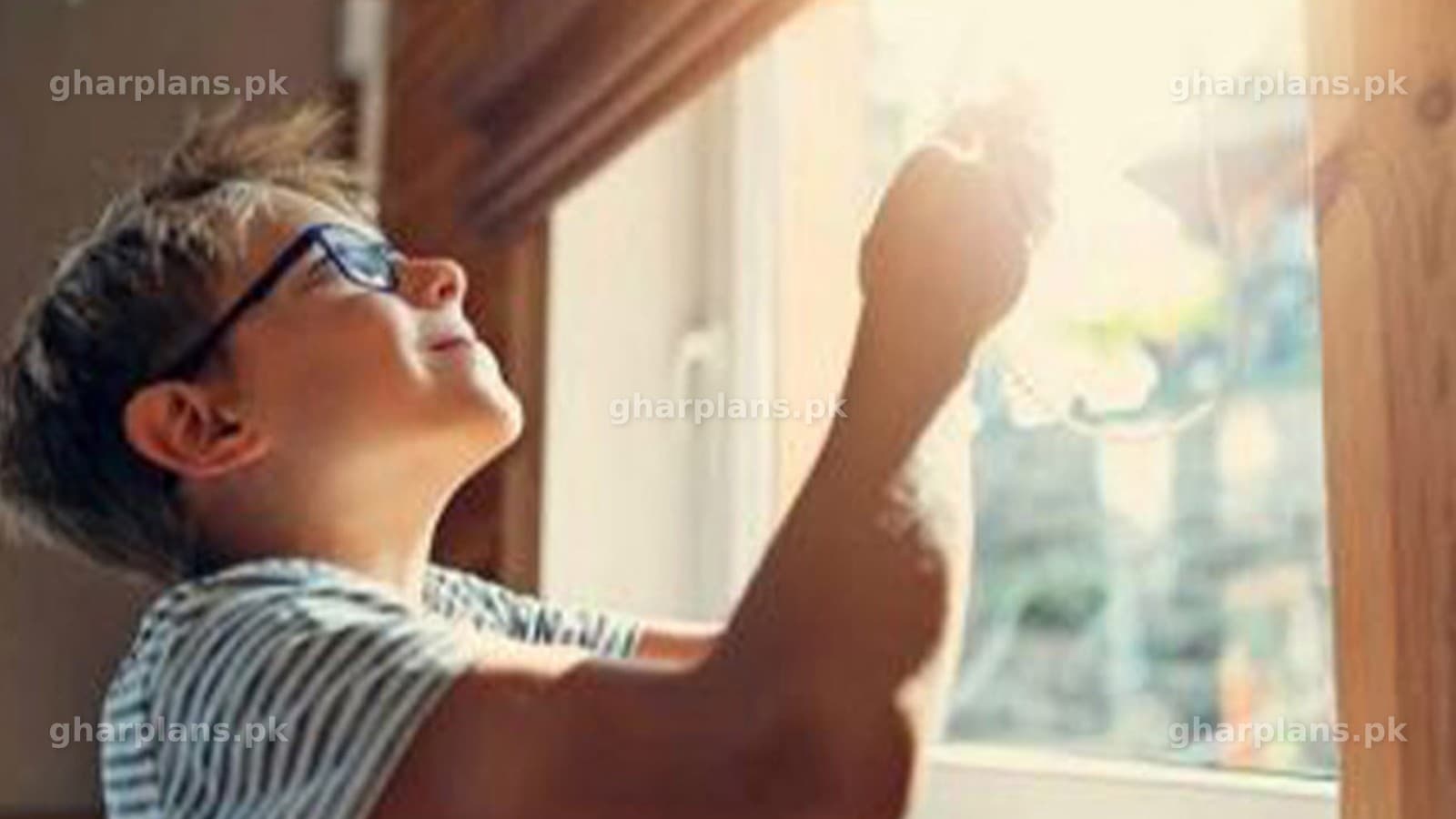
گھر میں قدرتی روشنی کی اہمیت
قدرتی روشنی تعمیراتی ڈیزائن اور گھر کی اندرونی سجاوٹ کا ایک بنیادی عنصر ہے، جو گھر کے ماحول، خوبصورتی اور کارآمدی پر نمایاں اثر ڈالتی ہے۔
قدرتی روشنی کی موجودگی یا کمی گھر میں رہنے والے افراد کی صحت و تندرستی، عمارت کی توانائی کی بچت اور یہاں تک کہ جائیداد کی مارکیٹ قیمت پر بھی اثر انداز ہو سکتی ہے۔
اگر آپ یہ سمجھ لیں کہ قدرتی روشنی آپ کے گھر کو کس طرح متاثر کرتی ہے تو آپ روشنی اور گھر کے ڈیزائن کے بارے میں بہتر فیصلے کر سکتے ہیں اور ایسی آرام دہ، صحت مند اور توانائی کی بچت کرنے والی رہائشی جگہیں بنا سکتے ہیں۔
نفسیاتی اور جذباتی فوائد
قدرتی روشنی کے سب سے گہرے اثرات میں سے ایک انسان کی نفسیاتی اور جذباتی صحت پر اس کا اثر ہے۔
قدرتی روشنی میں رہنے سے جسم کی حیاتیاتی گھڑی کو منظم کرنے میں مدد ملتی ہے۔ یہ اندرونی گھڑی انسان کو یہ اشارہ دیتی ہے کہ کب جاگنا ہے اور کب سونا ہے۔
قدرتی روشنی کی مناسب مقدار میں موجودگی صحت مند نیند اور بیداری کے معمول کو برقرار رکھنے میں مدد دیتی ہے، جس کے نتیجے میں نیند کا معیار بہتر ہوتا ہے، توانائی کی سطح میں اضافہ ہوتا ہے اور مجموعی مزاج بھی بہتر رہتا ہے۔
اس کے برعکس، قدرتی روشنی کی کمی سستی، چڑچڑے پن اور بعض صورتوں میں موسمی افسردگی کا سبب بن سکتی ہے۔ یہ ایک ایسی قسم کی افسردگی ہے جو سال کے مخصوص اوقات میں، عموماً سردیوں کے موسم میں، اس وقت پیدا ہوتی ہے جب قدرتی روشنی محدود ہو جاتی ہے۔
وہ گھر جن میں قدرتی روشنی مناسب مقدار میں موجود ہو، زیادہ خوشگوار اور روشن ماحول پیدا کرتے ہیں اور وہاں رہنا زیادہ پسندیدہ محسوس ہوتا ہے۔
اس کا براہِ راست اثر ذہنی صحت پر بھی پڑ سکتا ہے۔
2۔ جسمانی صحت کے فوائد
جذباتی صحت کے علاوہ قدرتی روشنی جسمانی صحت کے لیے بھی کئی فوائد فراہم کرتی ہے۔
دھوپ وٹامن ڈی کا ایک اہم ذریعہ ہے، جو ہڈیوں کی صحت، مدافعتی نظام کے درست کام اور مختلف دائمی بیماریوں سے بچاؤ کے لیے ضروری ہے۔
قدرتی روشنی والے ماحول میں وقت گزارنے سے جسم کو مناسب مقدار میں وٹامن ڈی حاصل کرنے میں مدد مل سکتی ہے، جس سے مجموعی صحت بہتر رہتی ہے۔
حیرت انگیز طور پر قدرتی روشنی گھر میں نقصان دہ جراثیم اور جانداروں کی افزائش کو کم کرنے میں بھی مددگار ثابت ہوئی ہے، جس سے گھر کا ماحول زیادہ صاف اور صحت مند رہتا ہے۔
جن گھروں میں قدرتی روشنی وافر مقدار میں ہو وہاں ہوا کے معیار کو بہتر بنانے اور پھپھوندی کی افزائش کے امکانات کو کم کرنے میں مدد مل سکتی ہے، کیونکہ پھپھوندی عموماً تاریک اور نم جگہوں میں تیزی سے بڑھتی ہے۔
اس لیے قدرتی روشنی سے روشن گھر نہ صرف ذہنی صحت کو سہارا دیتا ہے بلکہ جسمانی طور پر بھی زیادہ صحت مند رہائشی ماحول پیدا کرتا ہے۔
3۔ توانائی کی بچت اور اخراجات میں کمی
قدرتی روشنی گھر کی توانائی کی کارکردگی بہتر بنانے میں اہم کردار ادا کرتی ہے۔
دن کے وقت قدرتی روشنی کا زیادہ سے زیادہ استعمال کرکے مصنوعی روشنی پر انحصار کم کیا جا سکتا ہے، جس سے بجلی کا استعمال اور بجلی کے بل کم ہوتے ہیں۔
کھڑکیوں، چھت کی روشنی کے لیے بنائی گئی کھڑکیوں اور شیشے کے دروازوں کو سمجھ داری اور مناسب منصوبہ بندی کے ساتھ نصب کرنے سے گھر میں قدرتی روشنی مؤثر طریقے سے داخل کی جا سکتی ہے۔
اس طرح قدرتی روشنی گھر کی روزمرہ روشنی کی ضروریات پوری کرنے میں اہم کردار ادا کرتی ہے۔
4۔ خوبصورتی اور عملی اہمیت
خوبصورتی کے لحاظ سے قدرتی روشنی گھر کی ظاہری کشش میں اضافہ کرتی ہے۔
یہ اندرونی سجاوٹ میں استعمال ہونے والے رنگوں کو ان کی اصل صورت میں نمایاں کرتی ہے، جگہوں میں گہرائی اور وسعت کا احساس پیدا کرتی ہے اور تعمیراتی خصوصیات کو نمایاں کرتی ہے۔
قدرتی روشنی سے بھرے ہوئے کمرے زیادہ بڑے، کھلے اور خوشگوار محسوس ہوتے ہیں۔
قدرتی روشنی خود بھی گھر کے ڈیزائن کا ایک خوبصورت عنصر بن سکتی ہے۔ سورج کی روشنی سے بننے والے مختلف نقش اور سائے جگہ میں دلچسپ انداز پیدا کرتے ہیں اور اسے منفرد کردار دیتے ہیں۔
عملی طور پر بھی قدرتی روشنی گھر کے بعض حصوں میں بہت اہم ہے۔
مثال کے طور پر باورچی خانے میں مناسب روشنی کھانا تیار کرتے وقت حفاظت کو یقینی بنانے میں مدد دیتی ہے۔
مطالعے اور کام کرنے کی جگہوں میں قدرتی روشنی توجہ اور کام کرنے کی صلاحیت کو بہتر بنا سکتی ہے، جس سے پڑھنے، تعلیم حاصل کرنے یا گھر سے کام کرنے کے لیے بہتر ماحول پیدا ہوتا ہے۔
فن اور دستکاری کے کمروں میں قدرتی روشنی رنگوں کو درست انداز میں دیکھنے میں مدد دیتی ہے، جو فنکارانہ سرگرمیوں کے لیے انتہائی ضروری ہے۔
5۔ مارکیٹ قیمت اور پسندیدگی
جن گھروں میں قدرتی روشنی مناسب مقدار میں موجود ہو وہ عموماً خریداروں اور کرائے پر گھر لینے والوں کے لیے زیادہ پرکشش ہوتے ہیں اور اسی وجہ سے ان کی مارکیٹ قیمت بھی زیادہ ہو سکتی ہے۔
قدرتی روشنی گھر میں جو روشن اور کشادہ احساس پیدا کرتی ہے، وہ اسے زیادہ پسندیدہ اور پرکشش بناتا ہے۔
جائیداد کی تشہیر میں اکثر بڑی کھڑکیوں، دھوپ والے کمروں اور چھت پر بنائی گئی روشنی کی کھڑکیوں جیسی خصوصیات کو نمایاں کیا جاتا ہے، کیونکہ قدرتی روشنی کو گھر کی فروخت کے لیے ایک اہم خصوصیت سمجھا جاتا ہے۔
6۔ مناسب قدرتی روشنی نہ ہونے کے نتائج
جن گھروں میں قدرتی روشنی کم ہو وہ اکثر تاریک، تنگ اور غیر دلکش محسوس ہوتے ہیں۔
دن کی مناسب روشنی نہ ہونے سے گھر کے اندرونی حصے بے رونق اور بے جان محسوس ہو سکتے ہیں، جس سے وہاں رہنے والے افراد کے مزاج اور کام کرنے کی صلاحیت پر منفی اثر پڑ سکتا ہے۔
قدرتی روشنی کی کمی کی وجہ سے مصنوعی روشنی پر انحصار بھی بڑھ جاتا ہے، جس سے بجلی کے اخراجات میں اضافہ ہو سکتا ہے۔
اس کے علاوہ ناکافی یا بہت تیز مصنوعی روشنی کی وجہ سے آنکھوں پر دباؤ اور سر درد بھی ہو سکتا ہے۔
جن گھروں میں قدرتی روشنی بہت کم ہو وہاں پھپھوندی کی افزائش اور خراب ہوا کے معیار کا خطرہ بھی بڑھ جاتا ہے، کیونکہ تاریکی اور نمی پھپھوندی کے جراثیم کے بڑھنے کے لیے موزوں ماحول فراہم کرتی ہیں۔
اس کے نتیجے میں سانس سے متعلق مسائل اور صحت کے دیگر خدشات پیدا ہو سکتے ہیں، جس سے رہائشی ماحول کم محفوظ اور کم آرام دہ ہو جاتا ہے۔
مناسب قدرتی روشنی کی کمی گھر کے ماحول اور خوبصورتی پر بھی وسیع اثرات مرتب کر سکتی ہے۔
دن اور شام کے اوقات میں سورج کی روشنی کی کمی کی وجہ سے کمرے حقیقت میں زیادہ چھوٹے، بے رونق اور کم روشن نظر آ سکتے ہیں۔
اس سے یہ بھی متاثر ہو سکتا ہے کہ گھر میں رہنے والے افراد اپنے ماحول کو کس طرح محسوس کرتے ہیں اور اس کے بارے میں کیا رائے رکھتے ہیں۔
اس کے علاوہ روشنی کے ناقص انتظام کی وجہ سے آنکھوں پر دباؤ پڑ سکتا ہے، جس سے بے آرامی، سر درد یا آنکھوں میں تھکن پیدا ہو سکتی ہے، خاص طور پر ایسے کام کرتے وقت جن میں زیادہ توجہ کی ضرورت ہو۔
گھر میں قدرتی روشنی بڑھانے کے طریقے
گھر پلانز میں ہم تجویز کرتے ہیں کہ گھر میں سورج کی روشنی داخل کرنے کے زیادہ سے زیادہ طریقے شامل کیے جائیں، چاہے وہ کھڑکیوں، ہوا دانوں، چھت پر بنائی گئی روشنی کی کھڑکیوں یا شیشے کے دروازوں کے ذریعے ہوں۔
ہم موٹے اور حرارتی موصلیت والے شیشے استعمال کرنے کی تجویز دیتے ہیں تاکہ گھر ضرورت سے زیادہ گرم نہ ہو اور ساتھ ہی ہر کمرے کے لیے ضروری دن کی روشنی بھی گھر کے اندر آ سکے۔
شیشے کی دیواریں یا کمروں کے درمیان شیشے کی تقسیم بھی روشنی کو ایک کمرے سے دوسرے کمرے تک پہنچانے میں مدد کر سکتی ہے، جس سے دستیاب قدرتی روشنی کا زیادہ سے زیادہ فائدہ اٹھایا جا سکتا ہے۔
آئینے اور ہلکے رنگ کی دیواریں یا چھتیں روشنی کو منعکس کر سکتی ہیں، جس سے پورے کمرے میں روشنی کی تقسیم بہتر ہو جاتی ہے۔
آپ کھڑکیوں کے آس پاس موجود درختوں یا پودوں کی اضافی شاخوں کو بھی کاٹ سکتے ہیں جو سایہ پیدا کرتی ہیں، تاکہ زیادہ سورج کی روشنی گھر کے اندر داخل ہو سکے۔
آخر میں فرنیچر رکھنے کی جگہ کا بھی خاص خیال رکھیں۔ فرنیچر اس انداز میں رکھا جائے کہ وہ کھڑکیوں یا روشنی کے ذرائع کو نہ روکے۔
اس طرح قدرتی روشنی کے لیے گھر کے اندر کھلے راستے برقرار رہتے ہیں اور سورج کی روشنی آسانی سے پورے گھر میں پھیل سکتی ہے۔
مزید ڈیزائن کی معلومات کے لیے
مزید ڈیزائن کی معلومات کے لیے ہمارا یوٹیوب چینل ضرور دیکھیں: